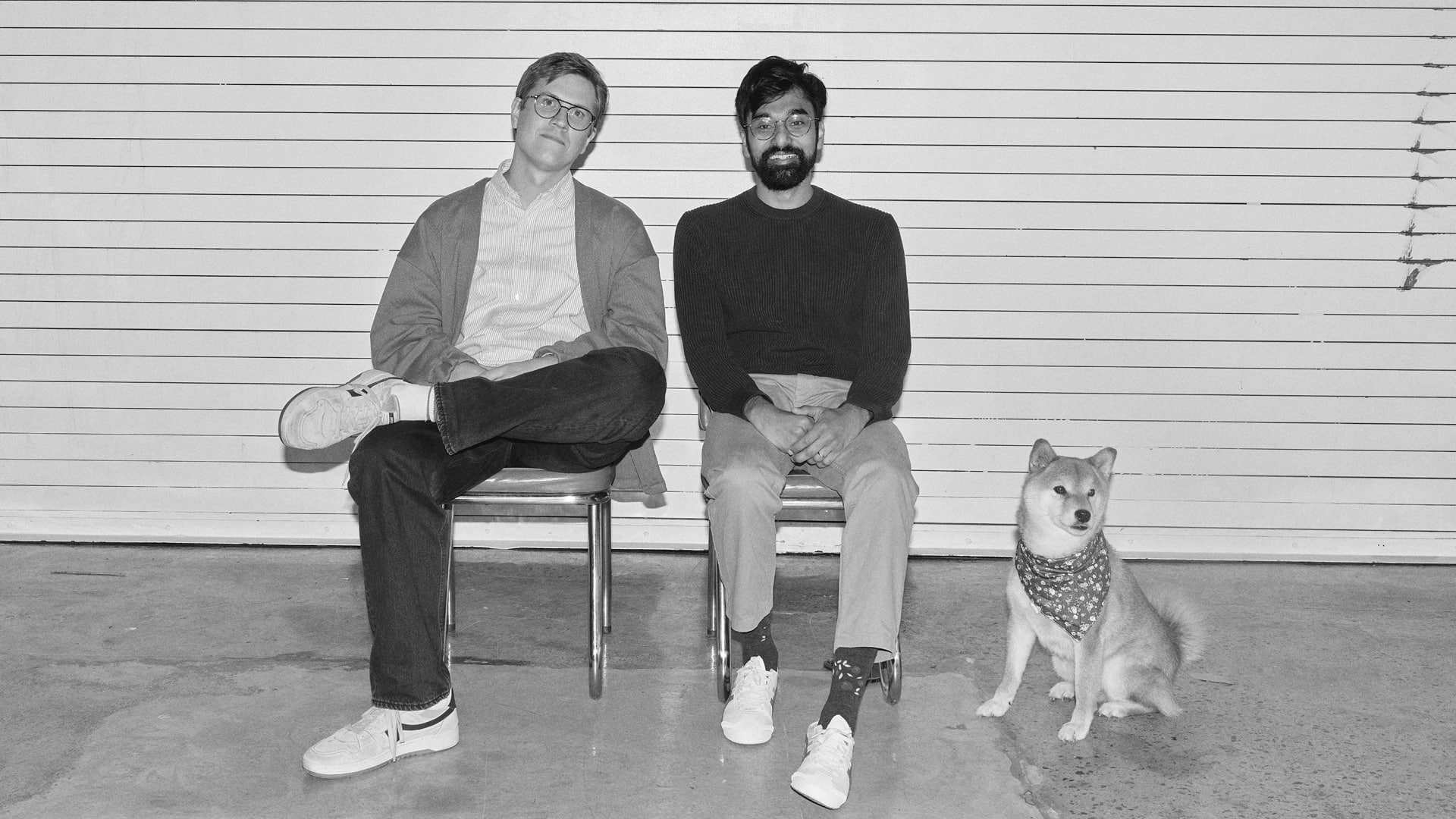
Erik Bernhardsson built the engine that decided what song played next on Spotify. Then, he served as CTO of Better.com. Along the way, he open-sourced Luigi, a workflow scheduler and Annoy, a nearest-neighbor library, now both staples for ML engineers worldwide. At both companies, his best engineers spent more time wrestling with Dockerfiles, Kubernetes, and GPU drivers than building the data products that differentiated the business.
That recurring frustration is the genesis of Modal, which Erik co-founded with Akshat Bubna. Modal is a serverless execution layer that runs any GPU workload, including inference, training, batch, and sandboxes for agent-generated code, where most competitors stop at model endpoints. Once a team runs more than one workload, Modal becomes the substrate their AI stack is architected around. Suno generates music on it, Cognition runs agent sandboxes, and biotech teams run protein modeling.
Akshat sets the technical tone, building the team that writes its own FUSE file system in Rust, hunts Linux kernel bugs, and reverse-engineers each cloud's RDMA fabric, rather than work around someone else's constraints. With multiple IOI gold medalists on the team, Modal is one of the most technically formidable groups in AI infrastructure, and one we are proud to back. General Catalyst is co-leading Modal's Series C.
GPU supply remains a hard constraint outside the hyperscalers. The shift from foundation-model APIs toward training, fine-tuning, and serving custom models is driving demand faster than the already limited pool of CUDA- and GPU-fluent engineers can absorb. AI teams face an unhappy choice to either build their own infrastructure or queue behind cloud roadmaps never designed for spiky, GPU-heavy, multimodal workloads.
A New Substrate
As models proliferate, the bottleneck moves from intelligence to execution. Who can run the workload, at any scale, without the team spending six months on infrastructure? Modal's answer is a new substrate. They threw out Docker and Kubernetes early and built their own container runtime, scheduler, and image builder, tuned for sub-second cold starts and multi-tenant GPU scheduling across AWS, GCP, Oracle, and major neoclouds. A developer decorates a Python function, calls a remote version, and Modal handles the rest: image, GPUs, scaling to thousands of containers, back to zero.
Erik is building Modal to be positioned as the AWS of the AI era: the place AI applications come to life, and the platform that orchestrates everything underneath. We look forward to partnering with Erik, Akshat, and the Modal team as they build the execution substrate the future of AI runs on.
%201.svg)